 By Brooklyn
What is the highest paid lawyer? – The legal profession boasts a diverse range of specializations, each with its own earning potential. While pinpointing the absolute “highest paid” lawyer is tricky, certain areas consistently attract lucrative compensation. Think about high-stakes litigation, complex corporate transactions, or high-profile intellectual property cases. The lawyers who excel in these areas often command substantial fees.
Factors like experience, reputation, and the specific nature of the cases they handle all play a role in determining a lawyer’s earnings. A seasoned lawyer with a proven track record in a demanding field will likely earn more than a newer lawyer or one working in a less lucrative area. Furthermore, lawyers who are partners in large firms frequently benefit from lucrative partnership structures, creating a significant disparity in earnings within the profession.
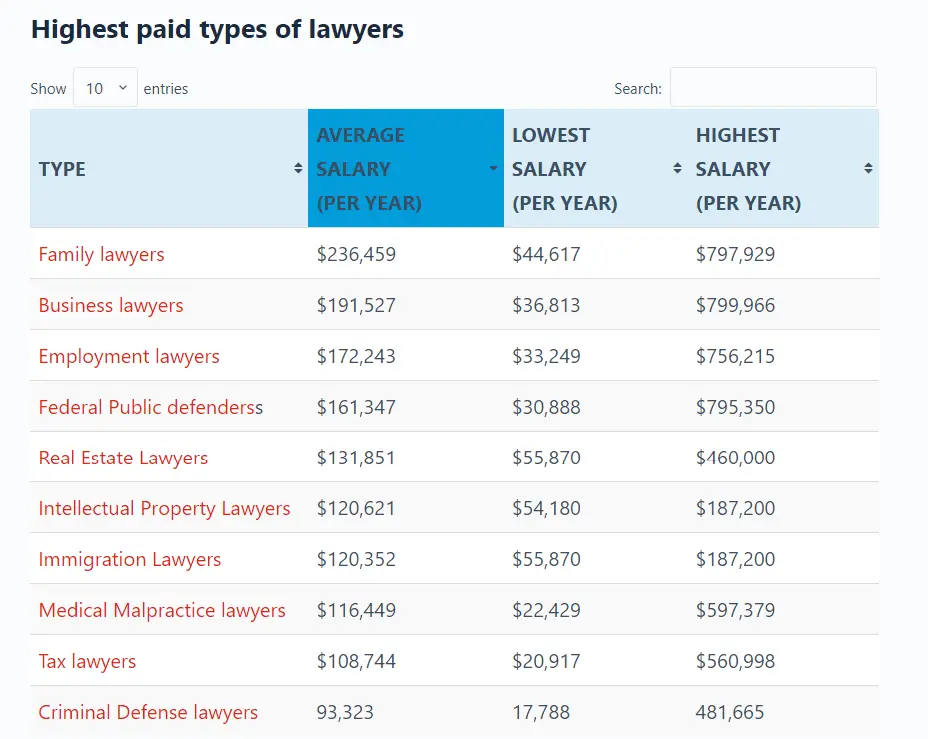
Who are some of the highest-earning lawyers? Unfortunately, specific salary figures for individual lawyers are rarely made public. However, we can explore some areas and types of legal work where compensation tends to be exceptionally high. Think about those who represent large corporations in mergers and acquisitions, or litigators involved in high-profile criminal cases. These individuals are often highly sought after and have significant negotiating power.
- Corporate Law: Deals with mergers, acquisitions, and complex business transactions.
- Litigation: Handles disputes and lawsuits in various areas, including personal injury, intellectual property, and criminal cases.
- Intellectual Property Law: Protects and enforces the rights of inventors and creators.
- Tax Law: Advises clients on tax matters and resolves tax disputes.
It’s important to remember that success in any field, including law, is multifaceted. Beyond the financial aspect, factors like job satisfaction, work-life balance, and personal fulfillment also contribute to overall success. While high earnings can be a motivator, it’s essential to consider the long-term implications of career choices.
 Madison
  Ava
Ava  Amelia